contents
Have you ever wondered why so much of the Western world relies on dry cleansing rather than water after using the restroom? It’s a topic rarely discussed openly, yet it reveals a lot about cultural norms, technology development, and environmental considerations.
For most people, grabbing toilet paper is instinctive. But step into many Asian, Middle Eastern, or African regions, and water-based cleansing is the standard. Why did these habits evolve so differently?
This guide takes you through the origins of modern toilet habits, how preferences formed, and what the future of personal hygiene may look like.
1、A Brief History of Toilet Paper
Long before modern sanitation systems existed, humans used whatever was available:
- leaves or grass
- corn cobs
- stones and pebbles
- snow in colder regions
- and famously, sponges on sticks in ancient Rome
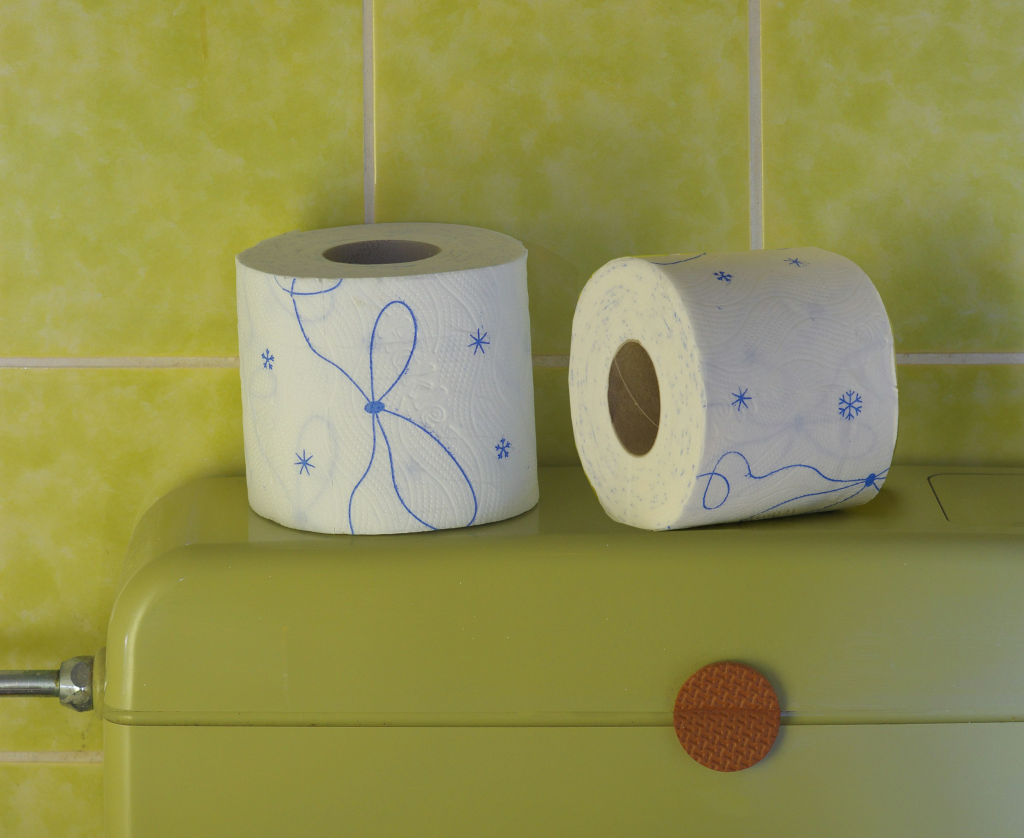
The soft, perforated rolls we know today didn’t appear until the 19th century. Early commercial products were flat sheets sold in small packs, and the first rolled version wasn’t perforated — people had to tear it by hand.
The rise of this new convenience played a major role in forming Western hygiene habits.
2、Cultural Factors Behind Toilet Paper Use
1. Plumbing Systems Designed for Dry Materials
Modern Western sewer networks were engineered to flush paper safely. Introducing water-based cleansing tools would have required major redesign, so the paper-based approach remained the norm.
2. Traditions of Privacy
Cultures that emphasize individual privacy often prefer quick, minimal-contact methods. Dry cleaning fits this expectation more closely than using water devices that feel more intimate or intrusive.
3. Strong Commercial Reinforcement
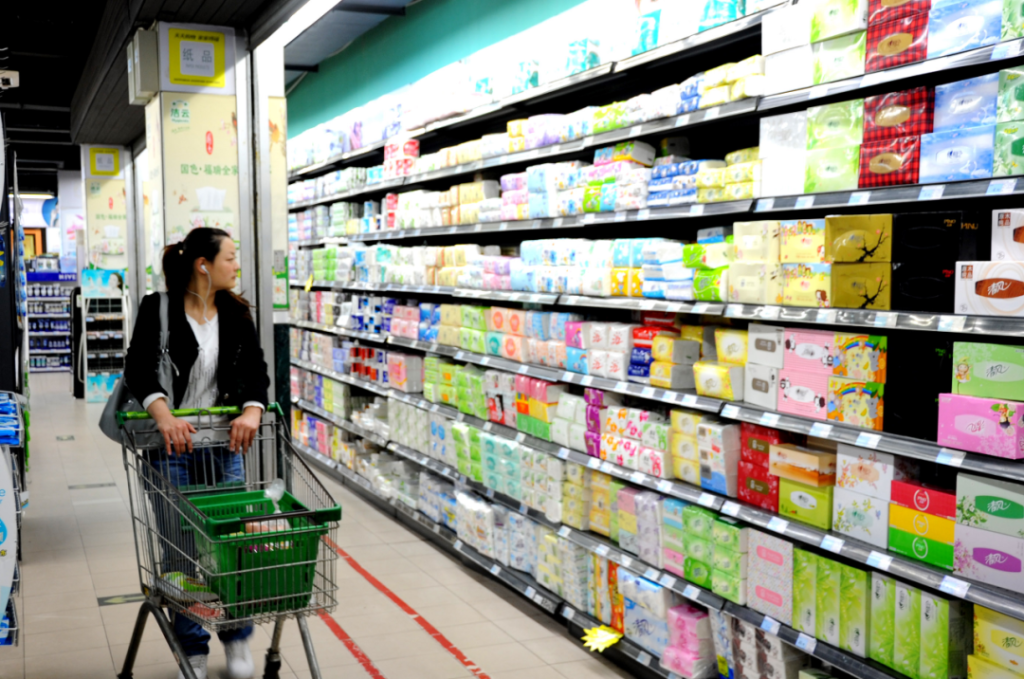
Once toilet paper became a common household item, marketing shaped public habits even further. Over decades, it was positioned as the default solution for cleanliness, convenience, and comfort.
3、The State of the Industry Today
Using dry wiping products is not without drawbacks. Several environmental concerns have been raised:
High Water Use in Production
Although cleansing with water uses water directly, producing paper products also requires substantial water input—sometimes dozens of gallons per roll.
Forest Resources
Large-scale production requires large amounts of raw fibers. This has led to growing discussions around sustainable sourcing and responsible forestry programs.
Waste Generation
Used paper cannot typically be recycled and contributes to municipal waste streams.
These factors have encouraged many consumers and manufacturers to explore alternative fibers, reduced-impact production methods, and new sanitation technologies.
4、The Environmental Impact
In many regions around the world, water is considered the most hygienic method for cleansing after using the toilet.
Advantages of Water Cleansing
- more thorough cleaning
- gentler on sensitive skin
- reduced irritation
- minimal waste generation
Because water rinses instead of scrapes, many dermatologists consider it kinder for long-term skin health.
Why It Isn’t the Default in the West
- habits formed long before global cultural exchange
- infrastructure not built to accommodate water sprayers
- lower awareness or exposure to alternatives
- perception that water systems are complicated or costly
But attitudes are shifting.
5、Water-Based Cleaning: A Different Approach
With global travel and online awareness increasing, more Western households are adopting devices such as:
- handheld sprayers
- modern bidet attachments
- electronic bidet toilet seats
- fully integrated smart toilets
These provide both water-based cleansing and convenience, creating a hybrid solution between traditional Western and Eastern habits.
6、The Economic Perspective
Dry cleansing remains a major part of everyday household spending across many countries. It is easy to buy, store, and replace. Water-based systems may require installation, maintenance, and plumbing adjustments—but offer long-term cost savings.
Meanwhile, social conversations about hygiene, environmental responsibility, and resource efficiency are prompting more people to consider alternatives they never thought about before.
7、Health and Hygiene Considerations
From a purely hygienic standpoint, water rinsing removes more residue than dry wiping. However, in public restrooms, single-use dry products remain the more practical option to maintain sanitation and avoid shared surfaces.
People with sensitive skin, certain medical conditions, or hemorrhoids often report significantly better comfort when cleansing with water.
8、The Future of Personal Hygiene
Several trends suggest that bathroom culture may evolve:
Technological Innovation
Manufacturers are developing:
- advanced bidet seats
- low-water smart toilets
- biodegradable hygiene sheets
- hybrid cleansing systems
Changing Cultural Perception
As multicultural interaction grows, younger generations may adopt mixed hygiene habits.
Environmental Awareness
More consumers are becoming aware of their resource footprint and exploring lower-impact options.
In the long run, the bathroom habits of Western countries may look very different from today.
9、Conclusion
The dominance of toilet paper in Western societies is the result of historical, cultural, technical, and commercial factors—not necessarily because it is the best or most hygienic method.
Water-based cleansing offers strong advantages, while dry products remain convenient and discreet. Both methods reflect different values, infrastructures, and lifestyles.
Understanding how these habits formed helps us make more informed choices about our own hygiene routines — choices that can benefit our health, comfort, and the planet.