Toilet Paper Cost Efficiency
Toilet paper may not be the most exciting sector of business, but it is definitely one of the more stable and profitable ones. Whether you are a tissue paper manufacturer or a tissue paper buyer, the economics of toilet roll production is an important concept that can help improve your bottom line in many ways.
To answer this question, let’s start with the drivers of profit margins in this key industry. Most toilet paper manufacturers have an average profit margin of anywhere between 7% and 30%, which depends on multiple factors we will elaborate into detail below.
The Cost of Raw Materials and Their Impact
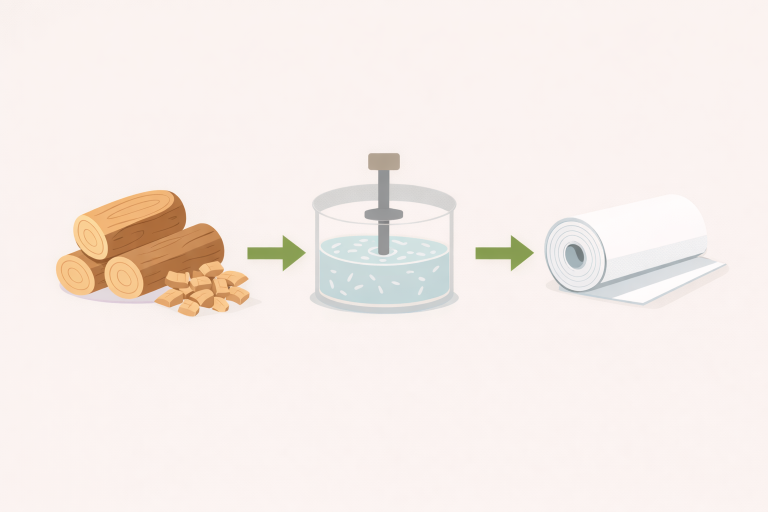
At the heart of any toilet paper plant’s overall profitability is its cost of raw materials. The main materials include:
– Wood pulp or recycled paper
– Chemicals for processing
– Water
– Packaging materials
The market cost of wood pulp is volatile and directly affects the final product price. A typical composition of raw material costs looks like this:
| Material | Percentage of Total Cost |
| Wood pulp/recycled paper | 40-45% |
| Chemicals and additives | 15-20% |
| Water and energy | 10-15% |
| Packaging materials | 10-12% |
Production Line Efficiency and Economies of Scale
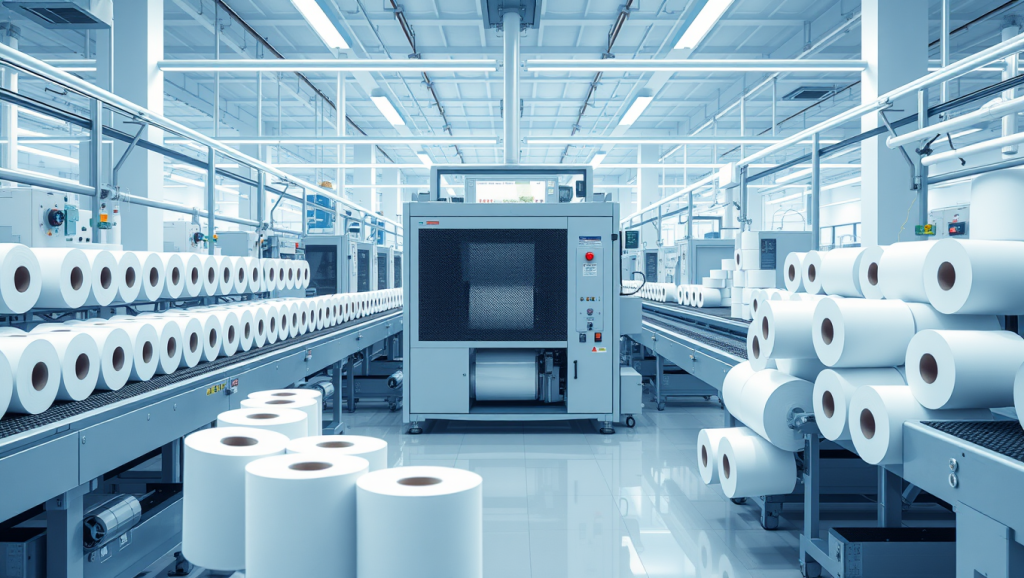
Investing in modern machinery can improve production efficiency and long-term profitability. Equipment costs are significant, but they enable faster production and reduced waste, indirectly boosting profit margins. Larger manufacturers benefit from economies of scale by:
– Reducing per-unit production costs
– Negotiating better raw material prices
– Optimizing labor and overhead costs
Target Market and Unique Selling Points
Manufacturers cater to various market segments, each with different profit margins:
– High-end toilet paper: 25-30% profit margin
– Regular toilet paper: 15-20% profit margin
– Budget-friendly options: 7-12% profit margin
Eco-friendly products are a growing segment with premium pricing, allowing higher margins. These products attract loyal customers and meet increasing demand for sustainability.
Pricing Strategies and Distribution Channels
Manufacturers and buyers can adopt various pricing and distribution strategies to maximize profits. Examples include:
1. **Wholesale vs. Retail Margins:**
– Direct to retail: 15-25% markup
– Via distribution: 10-20% margin
– Institutional sales: 8-15% profit margin
2. **Custom Products and Services:**
– Private labeling
– Custom packaging
– Specialty sizes and bulk delivery

Costs of Running & Efficiency Initiatives
Efficient manufacturers focus on managing operational costs effectively. Key areas include:
– **Labor Costs:** Automated systems and skilled workforce training reduce labor expenses, typically 15-20% of operating costs.
– **Energy Efficiency:** Modern machinery and waste reduction programs lower energy costs.
Sustainability Initiatives and Profitability
As environmental awareness grows, manufacturers can adopt sustainable practices to enhance profitability. These include:
– Using recycled materials
– Implementing water and energy conservation
– Offering eco-friendly packaging options
Tips for Buyers and Retailers
Buyers can improve profit margins by focusing on the following:
– Negotiating volume-based pricing
– Securing long-term contracts to stabilize costs
– Comparing multiple suppliers for quality and price
– Optimizing delivery schedules to reduce logistics expenses

Conclusion
Toilet paper is literally every woman’s best friend, and knowing factory profit margins are important both to the manufacturers, as well as buyers. Finding sustainable profitability is all about balancing the economics of production, market dynamics, and an automation experience that can set a limit on costs. Join our email list Focus on if you are a manufacturer who wants to stamp out the inefficiencies in your operations or a new buyer looking for better terms.