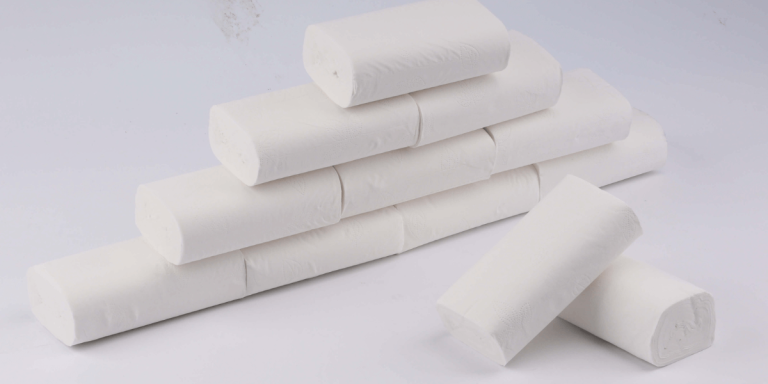
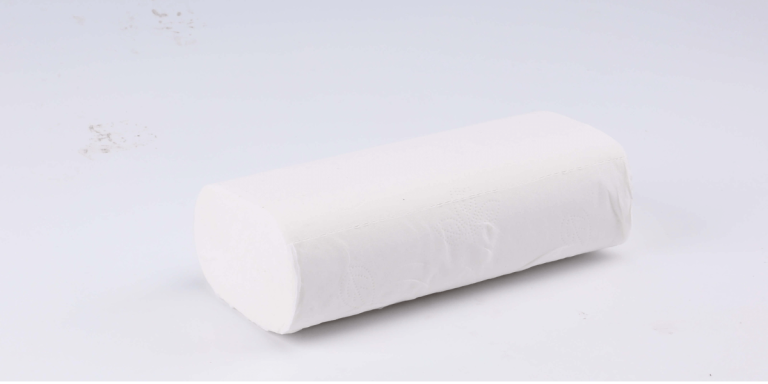
A tissue sheet looks simple, but the process behind it is not.
One of the biggest factors that shapes softness, absorbency, and strength is moisture control.
Moisture needs to be managed from the moment fiber meets water, all the way to drying and finished roll handling.
When it is done well, the machine runs more steadily, the sheet feels more consistent, and energy waste drops.
This article explains moisture management in a practical way, without over technical jargon.
It is written for readers who want to understand what “good quality control” actually looks like on a tissue line.
Why Moisture Control Matters
Moisture is not just a number on a sensor. It affects how the sheet forms, how it dries, and how it performs after converting.
Key reasons it matters include――
- Product feel and performance
- the right moisture profile supports softness, absorbency, and enough tensile strength
- Run stability
- stable moisture reduces web breaks, rejects, and unplanned stops
- Energy use
- better water removal earlier in the process reduces the drying load later
- Consistency
- uniform moisture across the sheet width improves batch to batch stability
The Real Challenges Behind Moisture Stability
Moisture control is hard because the conditions are rarely constant.
Common sources of variation include――
- Fiber mix variation
- different fibers hold water differently, which changes drainage and drying demand
- Ambient temperature and humidity
- seasonal shifts affect evaporation and sheet conditioning
- High line speed
- modern tissue lines require fast correction, not slow manual tuning
- Grade differences
- different product targets require different moisture profiles, even on the same machine
A Practical Walkthrough of Moisture Across the Process
You do not need every machine detail to understand where moisture becomes a quality issue.
These are the stages where most control decisions happen.
Wet end formation, setting the foundation
Fiber is dispersed in water, then formed on a moving wire where initial drainage begins.
Operators focus on――
- Stock consistency control
- keeping the fiber to water ratio stable for even formation
- Drainage tuning
- balancing vacuum and forming elements to remove water without crushing the sheet
- Additive control
- using process aids carefully, because they can change water retention and drainage behavior
A useful mental picture is that early stock is mostly water.
Small consistency changes can create big downstream effects.
Pressing and dewatering, removing water without damaging the sheet
Mechanical dewatering removes a large share of water before thermal drying.
Operators care about――
- Press loading and felt condition
- pressing too hard can hurt bulk and softness
- pressing too lightly pushes extra load to the dryer
- Sheet transfer stability
- poor transfer can create defects, breaks, and uneven moisture zones
Drying, where energy and moisture profile meet
Drying is where moisture control and energy cost collide.
Good drying control aims for――
- stable final moisture
- minimal moisture streaks across the width
- fewer overdried zones that waste energy and increase dusting risk
How Moisture Is Measured in Modern Lines
Moisture measurement works best when it is continuous and cross direction aware.
Common approaches include――
- Infrared sensors
- non contact measurement, good for scanning across the sheet
- Microwave measurement
- useful when conditions are humid, often more stable in some environments
- Full width profiling
- mapping moisture across the width helps operators find edge issues, center streaks, and uneven drying
The value is not only the average moisture.
It is the profile and how quickly it can be corrected.
Control Strategies That Work in Real Production
Closed loop control and fast correction
The best systems do not only display numbers. They link measurement to action.
Typical control targets include――
- dryer load and airflow adjustment
- steam and hood balance tuning
- vacuum and dewatering stability
- moisture profile correction across the width
Energy reduction without losing quality
Moisture control can reduce energy use when paired with smart upgrades.
Examples that often help include――
- heat recovery
- reusing waste heat from drying to reduce fuel demand
- variable speed drives
- adjusting fans and pumps to actual demand, not constant full load
- improved press technology
- better mechanical water removal reduces the thermal drying burden
Moisture Targets Change With Different Product Goals
Moisture control is not one size fits all.
Targets shift based on the feel and performance you want.
Softer, premium feel
A softer feel usually depends on maintaining bulk and controlling how the sheet is dried.
Operators typically focus on――
- fiber hydration that supports softness
- strength balance that does not make the sheet feel harsh
- stable moisture for multi ply converting consistency
Recycled fiber based products
Recycled fibers can behave differently in drainage and water retention.
Moisture control needs stronger attention to――
- stable wet end conditions
- tighter profile control to prevent streaks
- efficient drying to avoid overdrying and dusting
Printed or converted surface requirements
When the sheet needs better surface stability, moisture becomes a print and converting factor.
The focus is usually――
- surface dryness window control
- preventing curl and deformation from uneven moisture
- balancing surface needs with softness expectations
Moisture Control After the Machine, Storage and Handling
Moisture management does not stop at drying.
Finished products can pick up moisture in storage and transit.
Simple protections include――
- packaging that reduces humidity exposure
- warehouse humidity management in wet seasons
- avoiding long open exposure during loading and staging
What Is Next for Moisture Control
Moisture management continues to evolve through better sensing and automation.
Trends you will see more often include――
- more connected sensors and real time dashboards
- predictive alerts that catch drift before quality shifts
- improved coatings and additives that control water behavior more precisely
The direction is clear.
Better control means less waste, more stable quality, and lower energy intensity.
Conclusion
Moisture management is one of the quiet drivers of tissue quality.
It shapes softness, strength, absorbency, and how smoothly production runs.
When a line keeps moisture stable at each stage, quality becomes easier to repeat and energy use becomes easier to control.
That is why moisture management remains a core part of modern tissue making.
If you are working on product specs or an OEM project, Hengchang Paper also supports tissue paper OEM and toilet paper OEM. A clear moisture and performance target early on usually makes sampling more efficient and results more consistent.
FAQ — Moisture Management in Tissue Making
What is moisture management in tissue making
Moisture management is the control of water content in the sheet from forming and pressing to drying and storage. It helps maintain softness, strength, and absorbency while reducing breaks, waste, and energy use.
Why does moisture affect tissue softness and strength
If moisture is too high, the sheet can dry unevenly and feel weak. If moisture is too low, it can feel harsh and dusty. Stable moisture supports consistent fiber bonding and a softer hand feel.
What causes uneven moisture across the sheet
Uneven moisture is often caused by fiber mix variation, inconsistent drainage at the wet end, worn felts, unstable press loading, dryer imbalance, or changes in ambient humidity.
How do factories measure moisture in real time
Common systems include infrared sensors, microwave measurement, and full width moisture profiling. Profiling helps detect edge issues and streaks so operators can correct them faster.
What is the quickest way to reduce drying energy
Improve mechanical water removal first, then optimize drying control. Upgrades like better press performance, heat recovery, and variable speed drives often cut energy use without hurting quality.
Does storage humidity affect tissue quality
Yes. Finished tissue can absorb moisture during storage and shipping. Moisture resistant packaging and controlled warehouse humidity help prevent softness loss, curl, and performance changes.