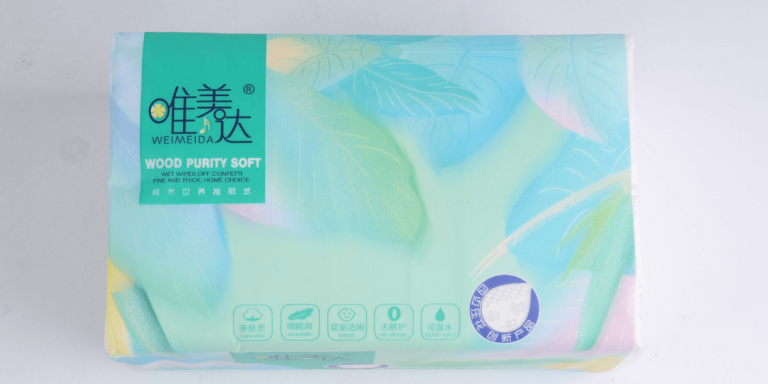
Have you ever picked up a tissue box and marveled at its design? From elegant floral patterns to minimalist chic, tissue paper packaging has come a long way. But behind every eye-catching box lies a world of creativity, strategy, and innovation. Welcome to “The Ultimate Guide to Tissue Paper Packaging Design” – your ticket to unraveling the secrets of this often-overlooked art form! 🎨📦
In today’s competitive market, packaging isn’t just about protecting your product; it’s about telling your brand’s story. A well-designed tissue box can be the difference between a customer reaching for your product or passing it by. But how do you create packaging that not only stands out on the shelf but also resonates with your target audience? That’s where our comprehensive guide comes in.
From understanding the basics of packaging design to choosing the perfect materials for your brand, we’ll walk you through every step of the process. We’ll explore how to pick the best packaging for your product, design packaging that aligns with your brand identity, and even dive into a handy packaging design glossary. So, whether you’re a seasoned designer or a curious entrepreneur, get ready to elevate your tissue paper packaging game and make your brand truly unforgettable! 🚀💡
What is packaging design?
Understanding Packaging Design
Packaging design is the process of creating the exterior of a product, combining form and function to protect, market, and facilitate the use of goods. In the context of tissue paper, it plays a crucial role in brand differentiation and consumer appeal.
Key Elements of Packaging Design
- Visual Appeal
- Functionality
- Sustainability
- Brand Identity
Impact on Consumer Behavior
Effective packaging design can significantly influence purchasing decisions. For tissue paper products, consider the following:
- Eye-catching graphics
- Clear product information
- Convenient dispensing methods
- Eco-friendly materials
Sustainability in Packaging Design
| Aspect | Traditional Packaging | Sustainable Packaging |
|---|---|---|
| Materials | Plastic, non-recyclable | Recycled paper, biodegradable |
| Production | Energy-intensive | Low-impact manufacturing |
| Disposal | Landfill | Compostable or recyclable |
Balancing Form and Function
Packaging design must strike a balance between:
- Attractiveness
- Protection of the product
- Ease of use
- Environmental considerations
In the tissue paper industry, innovative designs focus on reducing waste while maintaining product integrity. This approach aligns with growing consumer awareness of environmental issues, making sustainable packaging a key differentiator in the market.
Packaging Design: The ultimate guide

Understanding Packaging Design
Packaging design plays a crucial role in protecting products and attracting consumers. It involves creating visually appealing and functional packaging that not only safeguards the contents but also communicates the brand’s message effectively.
Key Elements of Packaging Design
- Material Selection
- Structural Design
- Graphic Design
- Brand Identity
- Sustainability
Sustainability in Packaging Design
Sustainability has become a critical factor in modern packaging design, especially for tissue paper products. Here’s a comparison of different packaging options:
| Packaging Type | Environmental Impact | Reusability | Recyclability |
|---|---|---|---|
| Plastic Wrap | High | Low | Low |
| Paper Box | Medium | Medium | High |
| Cloth Pouch | Low | High | Medium |
The Design Process
Creating effective packaging design involves several steps:
- Research and analysis
- Concept development
- Prototyping
- Testing
- Refinement
- Production
When designing tissue paper packaging, consider using recycled materials or biodegradable options to minimize environmental impact. Prioritize reusable designs that encourage consumers to repurpose the packaging, further reducing waste.
Now that we’ve covered the basics of packaging design, let’s explore how to choose the best packaging for your specific product.
How to pick the best packaging for your product
How to pick the best packaging for your product
A. Information you need to collect
When selecting the ideal packaging for your product, gathering essential information is crucial. This process involves several key considerations:
-
Product characteristics:
- Size and dimensions
- Weight
- Fragility
- Shelf life
- Special storage requirements
-
Target market:
- Demographics
- Preferences
- Purchasing habits
-
Distribution channels:
- Retail stores
- E-commerce
- Direct-to-consumer
-
Brand identity:
- Logo
- Color scheme
- Design elements
-
Sustainability goals:
- Recyclability
- Biodegradability
- Reusability
To help you organize this information effectively, use the following table:
| Information Category | Details to Collect |
|---|---|
| Product | Size, weight, fragility, shelf life, storage requirements |
| Target Market | Demographics, preferences, purchasing habits |
| Distribution | Retail, e-commerce, direct-to-consumer |
| Brand Identity | Logo, colors, design elements |
| Sustainability | Recyclability, biodegradability, reusability |
By thoroughly collecting and analyzing this information, you’ll be better equipped to make informed decisions about your product packaging. This data will guide you in choosing materials, designs, and packaging solutions that not only protect your product but also align with your brand values and meet customer expectations.
How to design packaging for your brand

A. Understand packaging layers with packaging design ideas
When designing packaging for your brand, it’s crucial to understand the different layers involved. Each layer serves a specific purpose and contributes to the overall effectiveness of your packaging design.
Here’s a breakdown of the typical packaging layers:
- Primary packaging: Direct contact with the product
- Secondary packaging: Groups primary packages together
- Tertiary packaging: Used for bulk handling and shipping
To help you visualize these layers and their functions, consider the following table:
| Layer | Function | Example |
|---|---|---|
| Primary | Product protection | Individual tissue paper wrapper |
| Secondary | Brand communication | Tissue box |
| Tertiary | Transportation | Shipping carton |
When brainstorming packaging design ideas, consider how each layer can contribute to your brand’s message and functionality. For instance, you might use eco-friendly materials for the primary packaging to align with sustainability goals, while leveraging the secondary packaging for bold brand visuals.
B. Choose the right type of packaging
Selecting the appropriate packaging type is crucial for your tissue paper product. Consider factors such as:
- Product protection
- Ease of use
- Environmental impact
- Cost-effectiveness
Here’s a list of popular packaging options for tissue paper:
- Boxed packaging
- Plastic-wrapped bundles
- Dispensing containers
- Eco-friendly paper wrapping
When making your choice, remember that while paper towels contribute more to waste and deforestation, tissue paper packaging can be designed with sustainability in mind. Opt for recyclable or biodegradable materials whenever possible to minimize environmental impact.
Packaging design glossary
Key Terms in Packaging Design
- Primary Packaging: The layer that directly contains the product
- Secondary Packaging: Outer packaging that groups primary packages
- Tertiary Packaging: Used for bulk handling and shipping
Materials and Finishes
- Substrate: Base material for packaging (e.g., paper, plastic, metal)
- Embossing: Raised design elements on the surface
- Debossing: Depressed design elements on the surface
- Lamination: Thin protective layer applied to the surface
Design Elements
- Die-cut: Custom-shaped packaging created by cutting machines
- Bleed: Extension of printed area beyond the trim edge
- CMYK: Color model used in printing (Cyan, Magenta, Yellow, Key/Black)
- Pantone: Standardized color matching system
| Term | Definition | Example |
|---|---|---|
| Kraft | Brown paper material | Paper bags |
| Varnish | Clear coating for protection | Glossy magazine covers |
| Foil stamping | Metallic decoration technique | Luxury product boxes |
Sustainability in Packaging
- Biodegradable: Materials that decompose naturally
- Compostable: Materials that break down into non-toxic components
- Recyclable: Materials that can be reprocessed for new use
- Post-consumer content: Materials recycled after consumer use
Understanding these terms is crucial for effective communication in the packaging design industry. They form the foundation for discussing materials, processes, and sustainability aspects of packaging. Next, we’ll explore how to choose the right packaging for specific countries, considering cultural preferences and regulatory requirements.
Choose Country
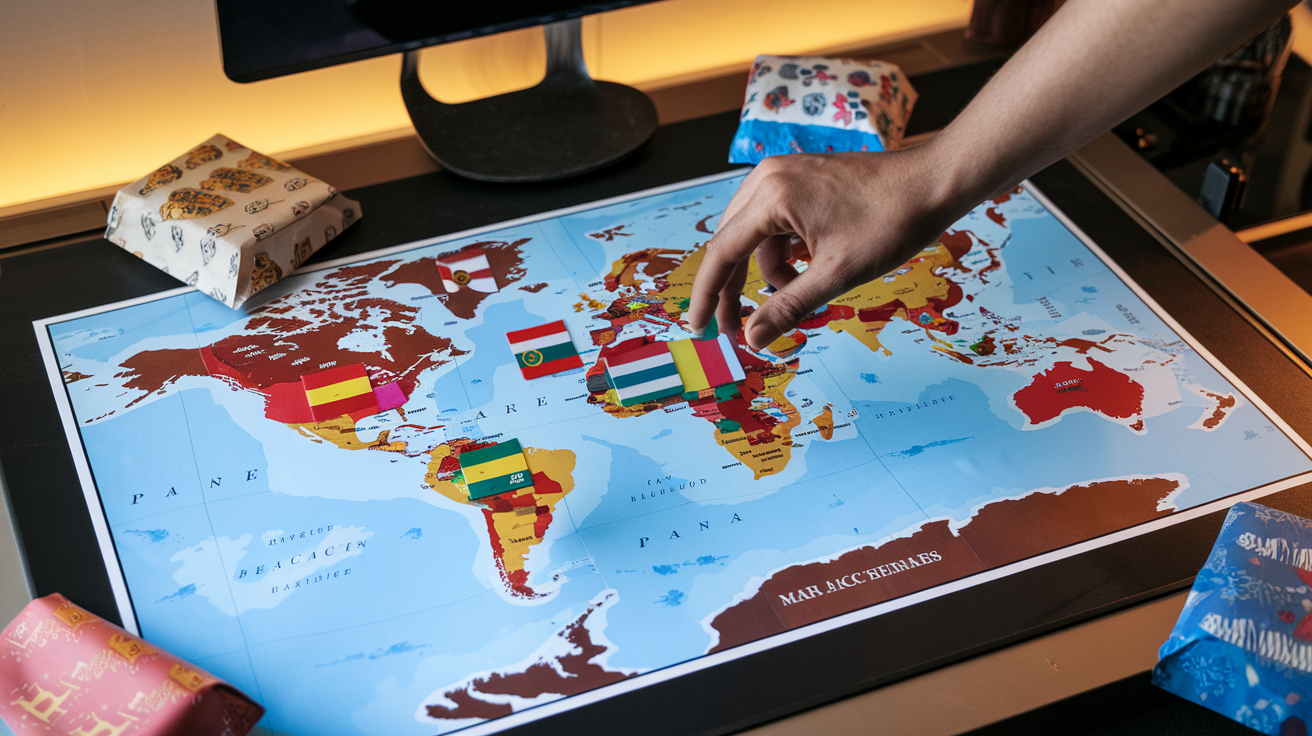
United States
The United States is a key market for tissue paper packaging, with a strong emphasis on sustainability and innovative design. American consumers are increasingly eco-conscious, driving demand for environmentally friendly packaging solutions.
Key Considerations for U.S. Market
- Sustainability Focus: Prioritize recyclable and biodegradable materials
- Brand Differentiation: Use unique designs to stand out on crowded shelves
- Convenience: Incorporate easy-open features and resealable options
- Regulatory Compliance: Adhere to FDA guidelines for food-contact packaging
Popular Packaging Styles
| Style | Description | Best for |
|---|---|---|
| Flexible Pouches | Lightweight, space-saving | Travel-sized products |
| Paperboard Boxes | Sturdy, printable surfaces | Premium tissue lines |
| Plastic-free Wraps | Compostable materials | Eco-friendly brands |
Canada
Canada’s market shares similarities with the U.S. but has its own unique characteristics. Canadian consumers value bilingual packaging (English and French) and have a strong preference for sustainable options.
Canadian Packaging Trends
- Bilingual labeling (mandatory in many cases)
- Emphasis on forest stewardship certifications
- Preference for minimalist, clean designs
- Growing market for bulk and family-sized packaging
By tailoring your tissue paper packaging design to these country-specific preferences, you can effectively capture market share and meet consumer expectations in North America. Next, we’ll explore packaging design considerations for European markets.
Packaging design plays a crucial role in the success of tissue paper products, influencing consumer perception and brand identity. From understanding the basics of packaging design to selecting the most suitable materials and creating designs that align with your brand, this guide has covered essential aspects of tissue paper packaging.
By following the steps outlined in this guide and leveraging the packaging design glossary, you can create eye-catching and functional tissue paper packaging that stands out on the shelves. Remember to consider your target market, product requirements, and brand values when making packaging decisions. With careful planning and attention to detail, your tissue paper packaging can become a powerful marketing tool that enhances your product’s appeal and drives sales.