Did you know that the soft, innocent-looking tissue paper in your bathroom might have a dark secret? 🧻🤫
When you reach for that roll of tissue, you’re probably not thinking about dioxins, industrial processes, or environmental hazards. But perhaps you should be. The world of tissue paper production is far more complex and potentially dangerous than most of us realize. From surprising health risks to unexpected environmental impacts, there’s a lot more to that humble roll than meets the eye.
In this eye-opening post, we’ll uncover 5 Surprising Facts About Tissue Paper Production that will change the way you look at this everyday item. We’ll explore how dioxins are created, their alarming effects on human health, and why some populations are at higher risk. Plus, we’ll reveal what industries can do to make tissue production safer for everyone. Get ready to wipe away your assumptions and absorb some shocking truths about tissue paper! 🧠💡
1) Dioxins are primarily man-made through industrial processes, but can also be emitted naturally
Origins of Dioxins
Dioxins, a group of highly toxic chemical compounds, are primarily the result of human industrial activities. However, they can also occur naturally in small amounts. Let’s explore the sources of dioxins and their impact on the environment.
Industrial Sources of Dioxins
Industrial processes are the main culprits behind dioxin production. Here’s a breakdown of the primary sources:
- Waste incineration
- Chemical manufacturing
- Paper and pulp production (including toilet paper factories)
- Metal smelting and refining
| Industry | Dioxin Contribution |
|---|---|
| Waste Incineration | High |
| Chemical Manufacturing | Moderate |
| Paper and Pulp Production | Moderate |
| Metal Smelting | Low to Moderate |
Natural Sources of Dioxins
While less common, dioxins can also be emitted through natural processes:
- Forest fires
- Volcanic eruptions
- Certain soil microorganisms
It’s important to note that even though dioxins can occur naturally, human activities have significantly increased their presence in the environment. The tissue paper industry, including toilet paper factories, contributes to dioxin emissions through bleaching processes and the use of chlorine-based chemicals. As we delve deeper into the effects of dioxins, we’ll see why their prevalence is a cause for concern.
2) High exposure to dioxins interferes with hormones and can cause cancer, reproductive and developmental problems and damage to the immune system
Health Impacts of Dioxin Exposure
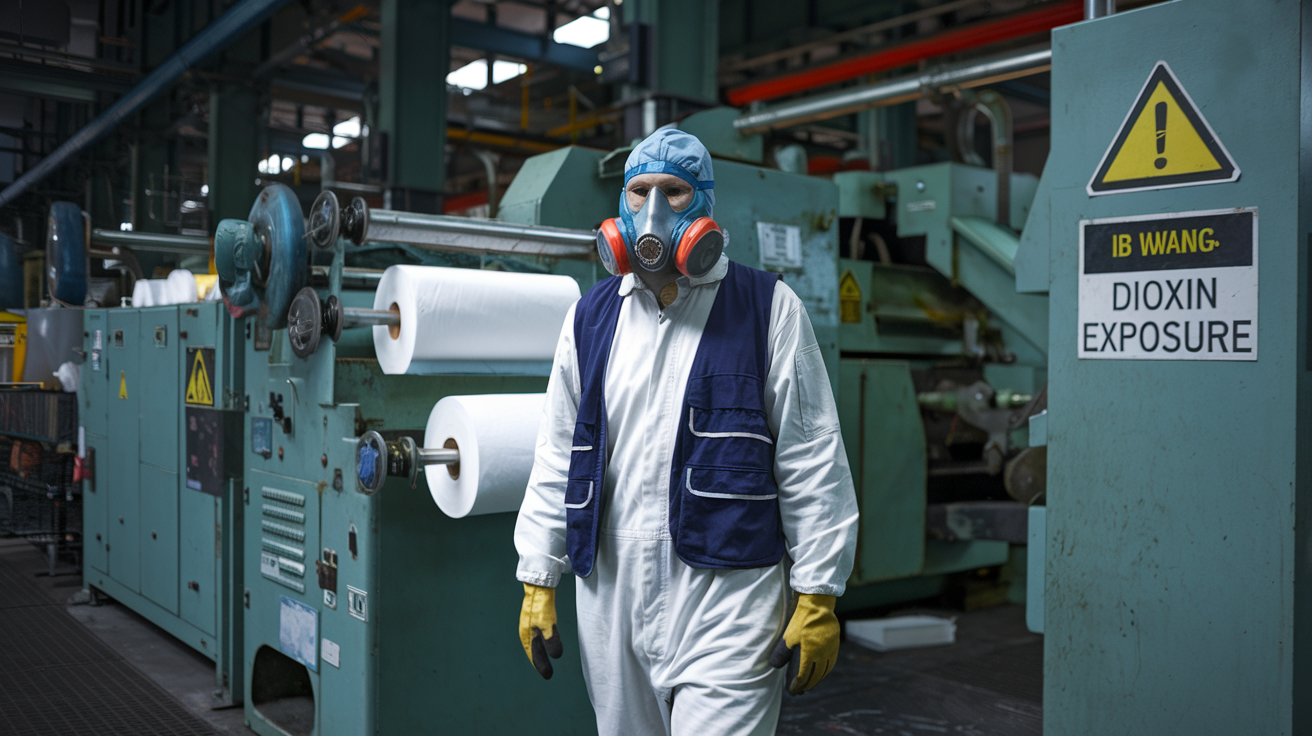
High exposure to dioxins can have severe consequences on human health, particularly affecting hormonal balance and various bodily systems. The effects of dioxin exposure are far-reaching and can lead to several serious health issues:
Cancer Risk
Dioxins are classified as known human carcinogens. Prolonged exposure has been linked to:
- Soft tissue sarcomas
- Lymphomas
- Lung cancer
- Liver cancer
Reproductive and Developmental Problems
Dioxins can interfere with reproductive hormones, causing:
- Reduced fertility
- Increased risk of miscarriage
- Birth defects
- Developmental delays in children
Immune System Damage
The immune system is particularly vulnerable to dioxin exposure:
- Suppressed immune function
- Increased susceptibility to infections
- Autoimmune disorders
Here’s a comparison of dioxin exposure levels and their potential health effects:
| Exposure Level | Potential Health Effects |
|---|---|
| Low | Minimal risk, body can detoxify |
| Moderate | Hormonal imbalances, subtle immune changes |
| High | Increased cancer risk, reproductive issues |
| Extreme | Severe immune suppression, chloracne, developmental problems |
While toilet paper factories are not typically major sources of dioxin emissions, the production process can potentially release small amounts. It’s crucial for these facilities to implement strict environmental controls to minimize any potential health risks to workers and surrounding communities.
3) All humans are exposed to dioxins, and they can stay in the body for a long time
Ubiquitous Exposure to Dioxins
Dioxins are persistent environmental pollutants that affect all humans, regardless of location or lifestyle. These toxic compounds enter our bodies through various routes, primarily through the food we eat, but also through the air we breathe and even skin contact.
Long-term Accumulation in the Body
One of the most concerning aspects of dioxins is their ability to persist in the human body for extended periods. Due to their fat-soluble nature, dioxins accumulate in fatty tissues and can remain there for years, even decades. This long-term storage leads to a buildup of dioxins over time, potentially increasing health risks.
| Dioxin Characteristics | Impact on Human Body |
|---|---|
| Fat-soluble | Accumulates in fatty tissues |
| Persistent | Remains in body for years |
| Bioaccumulative | Concentrations increase over time |
Sources of Exposure
While dioxins can come from various sources, it’s important to note that industrial processes, including those in toilet paper factories, can contribute to dioxin emissions. Here’s a list of common exposure sources:
- Contaminated food (especially animal products)
- Industrial emissions
- Waste incineration
- Forest fires
- Cigarette smoke
As we consider the widespread exposure to dioxins and their persistence in our bodies, it becomes clear why monitoring and reducing dioxin emissions from all sources, including tissue paper production, is crucial for public health.
4) Some people are exposed to higher levels of dioxins because of their diet or occupation, putting Arctic Indigenous Peoples at higher risk
Diet and Occupation: Key Factors in Dioxin Exposure
High-Risk Groups
While dioxin exposure is universal, certain populations face higher risks due to dietary habits and occupational hazards. Here’s a breakdown of the most affected groups:
| Group | Primary Exposure Source | Risk Level |
|---|---|---|
| Arctic Indigenous Peoples | Traditional diet | Very High |
| Industrial Workers | Occupational exposure | High |
| Fishermen | Consumption of contaminated fish | Moderate to High |
| General Population | Varied sources | Low to Moderate |
Arctic Indigenous Peoples: A Vulnerable Population
Arctic Indigenous Peoples are particularly susceptible to high dioxin exposure due to their traditional diet, which often includes:
- Marine mammals (seals, whales)
- Fish from contaminated waters
- Wild game
These food sources can accumulate high levels of dioxins through a process called biomagnification, where toxins concentrate as they move up the food chain.
Occupational Exposure
Certain professions carry a higher risk of dioxin exposure:
- Chemical industry workers
- Waste incineration plant employees
- Pulp and paper mill workers (including those in toilet paper factories)
- Firefighters
While modern tissue paper production facilities implement stringent safety measures, historical practices in pulp and paper mills have contributed to occupational dioxin exposure. Today’s toilet paper factories prioritize worker safety and environmental protection, significantly reducing dioxin-related risks.
5) Industries and companies should apply Best Available Techniques (BAT) and Best Environmental Practice (BEP) to avoid dioxin emissions
Best Available Techniques (BAT) and Best Environmental Practice (BEP)
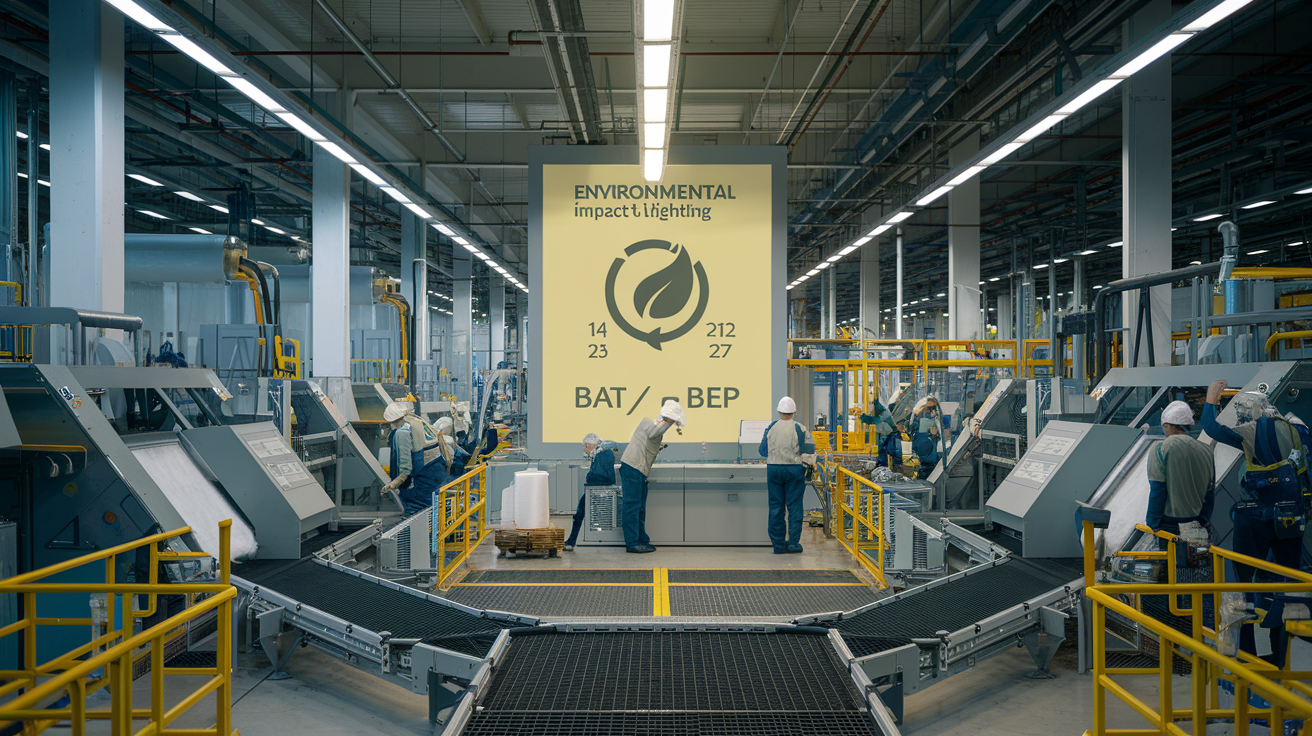
To mitigate dioxin emissions in tissue paper production, industries and companies must implement Best Available Techniques (BAT) and Best Environmental Practice (BEP). These approaches are crucial for reducing environmental impact and ensuring safer production processes.
Key BAT and BEP Strategies:
- Advanced filtration systems
- Closed-loop production cycles
- Energy-efficient machinery
- Chemical substitution
- Waste reduction and recycling
Comparison of Traditional vs. BAT/BEP Approaches
| Aspect | Traditional Approach | BAT/BEP Approach |
|---|---|---|
| Emissions | Higher dioxin levels | Significantly reduced |
| Energy Use | Less efficient | Optimized consumption |
| Water Usage | Higher consumption | Reduced and recycled |
| Waste | More byproducts | Minimized and repurposed |
| Cost | Lower initial investment | Higher upfront cost, long-term savings |
Implementing BAT and BEP not only reduces dioxin emissions but also improves overall efficiency and sustainability in tissue paper production. Companies adopting these practices often see long-term benefits in terms of reduced operational costs and improved environmental compliance.
Share
Spreading awareness about the importance of BAT and BEP in tissue paper production is crucial. Consumers can support responsible manufacturers by choosing products from companies that prioritize environmental safety. Additionally, sharing information about dioxin risks and the benefits of improved production techniques can encourage more industries to adopt these practices, leading to a cleaner, safer environment for all.
Tissue paper production is a complex process with surprising environmental and health implications. The presence of dioxins, primarily man-made through industrial processes, poses significant risks to human health. These toxic compounds can interfere with hormones, cause cancer, and damage the immune system. While all humans are exposed to dioxins, certain populations, such as Arctic Indigenous Peoples, face higher risks due to their diet and lifestyle.
To address these concerns, it’s crucial for industries and companies involved in tissue paper production to implement Best Available Techniques (BAT) and Best Environmental Practice (BEP). By doing so, we can minimize dioxin emissions and protect both human health and the environment. As consumers, we can support these efforts by choosing products from manufacturers committed to sustainable and responsible production methods.