contents
Most people never pause to consider how often they reach for a cleaning sheet or a dry wiping pad. Yet behind these small habits lies a larger environmental story—one shaped by forests, water consumption, energy usage, and long-term ecological impact.
As global attention shifts toward sustainability, it has become increasingly important to understand the true footprint left behind by the disposable hygiene items we use every day.
This article explores the environmental cost, production differences, and efficiency factors behind two major categories of personal and cleaning materials—soft hygiene sheets for personal use and thicker absorbent pads for household cleaning—along with a new generation of fast-renewing fiber alternatives.
1、The Cost Breakdown: How These Everyday Items Are Made
A. Traditional Wood-Fiber Hygiene Rolls
Conventional hygiene rolls rely heavily on forest-based raw materials. Their production involves:
- harvesting wood fibers
- pulping and chemical treatment
- pressing and drying
- cutting, rolling, and packaging
Cost structure is typically distributed as:
| Cost Component | Proportion |
|---|---|
| Raw fiber | 40–50% |
| Energy usage | 20–30% |
| Labor | 15–20% |
| Packaging | 5–10% |
| Miscellaneous | 5–10% |
The combination of fiber extraction, water-intensive pulping, and energy-heavy drying makes this category resource-dependent.
B. Fast-Renewing Fiber Alternatives
A new wave of plant-based materials—grown quickly, with minimal irrigation and without chemical pesticides—has begun to reshape the hygiene industry.
These fibers offer:
- significantly shorter growth cycles
- lower water requirements
- reduced chemical processing
- a naturally smoother texture
Because they regenerate rapidly, long-term supply is more stable and more environmentally responsible compared to tree-based sources.
C. Myth: Plant-Based Alternatives Are Always More Expensive
As production scales and technology improves, the cost gap between conventional and alternative fibers is narrowing rapidly. In some markets, environmentally conscious options are already price-competitive.
| Feature | Wood-Based | Fast-Renewing Fibers |
|---|---|---|
| Initial Cost | Lower | Slightly higher |
| Long-Term Ecological Cost | High | Low |
| Water Use | Heavy | Moderate |
| Chemical Treatment | Higher | Lower |
2、Sustainability: The Real Environmental Impact
A. Why Fast-Renewing Materials Matter
Compared with hardwood forests, fast-growing fiber plants:
- mature within 3–5 years
- require significantly less irrigation
- grow without pesticides
- absorb more carbon per acre
| Attribute | Fast-Renewing Fibers | Hardwood Forests |
|---|---|---|
| Growth Cycle | 3–5 years | 20–30 years |
| Water Needs | Lower | Higher |
| Pesticides | Minimal | Moderate |
| Carbon Absorption | High | Medium |
This difference directly reduces pressure on long-cycle forests and protects biodiversity.
B. Long-Term Environmental Savings
Choosing alternatives with faster regenerative ability leads to:
- reduced deforestation
- lower greenhouse gas emissions
- less land degradation
- better soil retention
- reduced chemical discharge into waterways
These benefits accumulate across decades, offering meaningful environmental relief.
3、Quality & Efficiency: Which Performs Better?
Performance is influenced by absorbency, structural strength, and intended use.
A. Personal-Use Soft Sheets
Designed for comfort and light moisture absorption.
- gentle texture
- suitable for everyday hygiene
- not intended for major spills
B. Household Absorbent Pads
Engineered for cleaning performance.
- higher liquid uptake
- stronger fiber bonding
- designed for wiping and scrubbing
| Feature | Soft Hygiene Sheets | Absorbent Cleaning Pads |
|---|---|---|
| Absorbency | Moderate | High |
| Durability | Low | Medium–High |
| Best Use | Personal care | Cleaning & spills |
4、The “Real” Cost of Fast-Growing Fiber Rolls
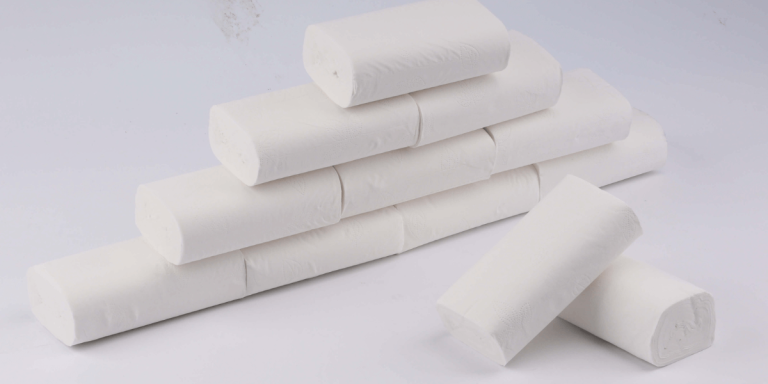
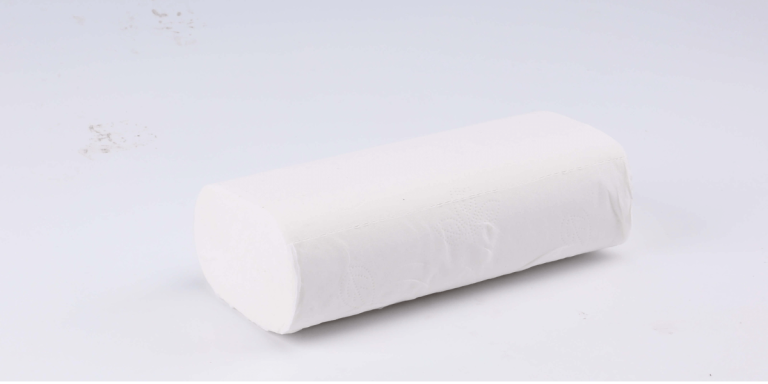
Many brands have begun producing personal hygiene rolls from rapidly regenerating plants. These products provide a balance of comfort, environmental responsibility, and supply stability.
Environmental advantages include:
- reduced pressure on forests
- lower water footprint
- fewer chemical additives
- quicker land recovery
Cost Assessment
| Type | Price Per Unit | Ecological Impact | Texture |
|---|---|---|---|
| Wood-based | Low | High | Soft |
| Recovered fiber | Medium | Medium | Moderate |
| Fast-renewing fiber | Medium–High | Low | Soft–Medium |
Although initial pricing may be slightly higher, long-term ecological benefits significantly outweigh the cost difference.
5、Conclusion: What Our Choices Really Mean
Every roll, every sheet, every wipe—these little decisions add up. When comparing soft personal-use sheets to thicker household cleaning pads, the hidden environmental cost is far deeper than most people realize.
But the equation is changing.
Fast-renewing fiber sources are providing a credible, environmentally responsible alternative. They reduce pressure on forests, cut energy consumption, lower water usage, and support a more sustainable future.
As consumers and businesses grow more conscious of environmental responsibility, choosing sustainable alternatives becomes more than a preference—it becomes a meaningful action with global impact.
Small choices shape big outcomes.
And the shift toward renewable, responsible fiber sources is one of the simplest ways we can support a healthier planet.