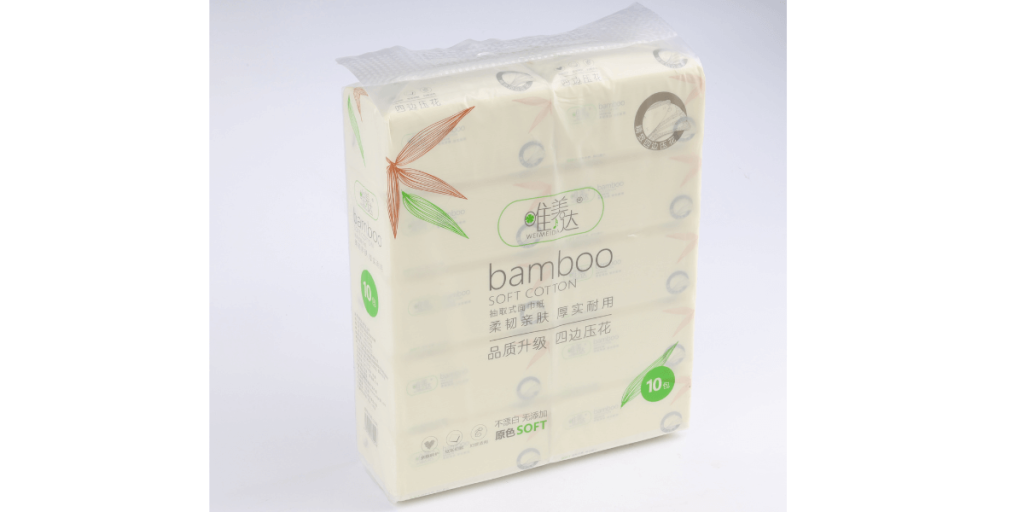
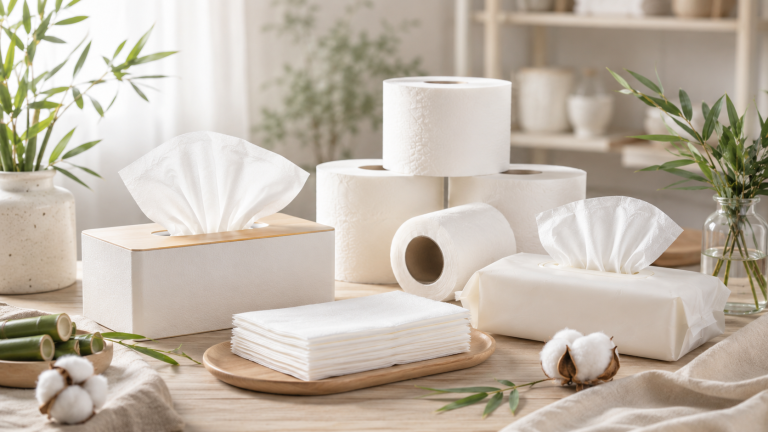
Facial tissue is a soft, absorbent, disposable paper product designed primarily for contact with the face.
It is commonly used for wiping the nose, removing makeup, and handling small everyday cleanups.
Although it looks simple, facial tissue plays a meaningful role in daily hygiene.
Its softness, strength, and convenience make it different from ordinary paper products.
Originally introduced in the early twentieth century as a cosmetic aid, facial tissue gradually replaced cloth handkerchiefs and became a standard household item across many regions.
1、What Facial Tissue Is Made Of
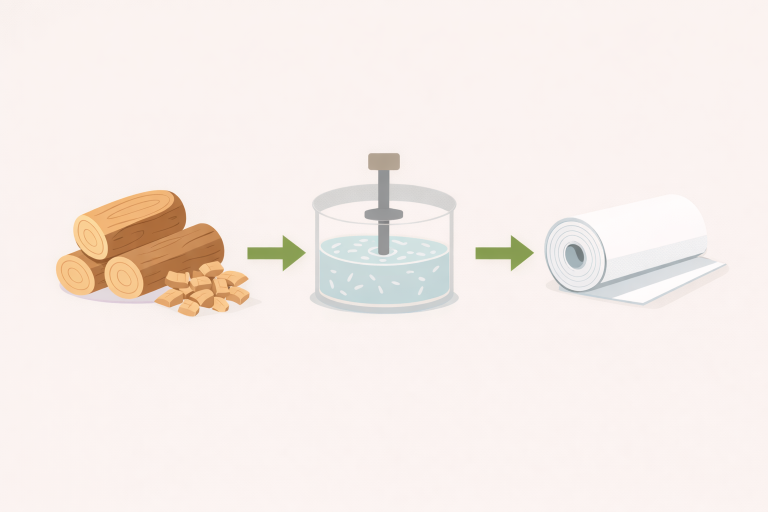
Most facial tissues are produced from wood pulp, which is made up of cellulose fibers.
The balance of these fibers determines how the tissue feels and performs.
- Hardwood fibers
Short fibers that create a smoother and softer surface - Softwood fibers
Longer fibers that add strength and reduce tearing when the tissue is wet
Manufacturers often blend both types to reach a balance between comfort and durability.
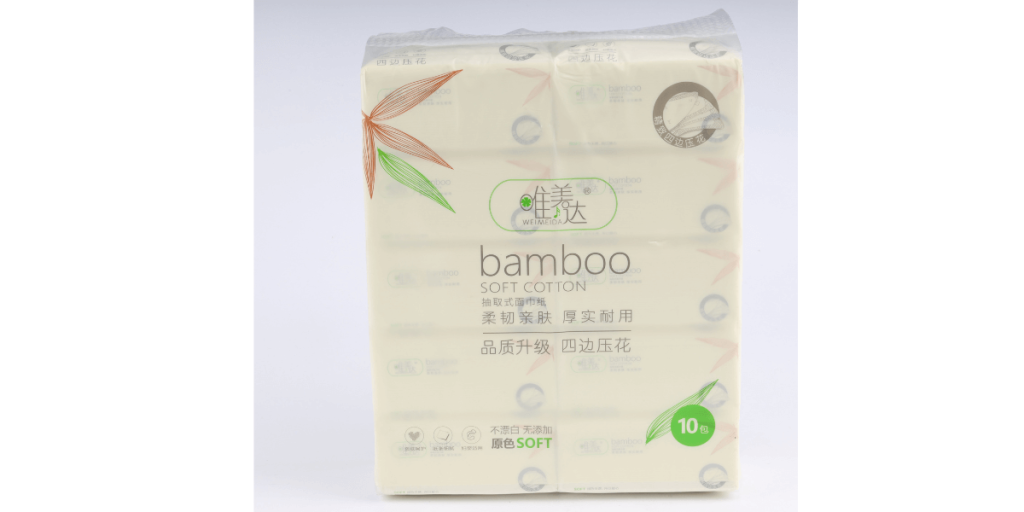
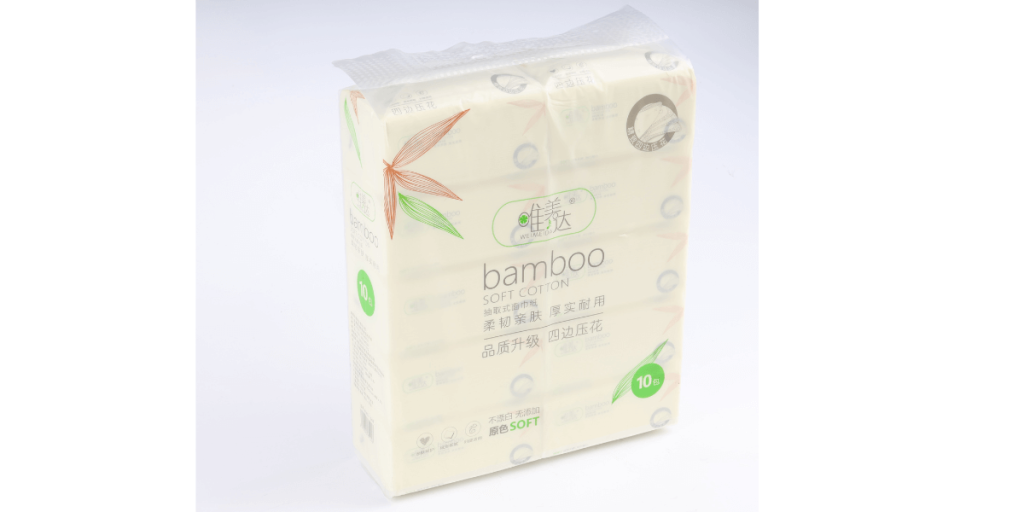
Some products also use recycled pulp or alternative fibers such as bamboo.
During production, additional treatments may be applied, including softeners or lotion additives.
These are designed to reduce friction on the skin, especially during frequent use.
2、Key Characteristics That Define a Good Facial Tissue
Not all facial tissues perform the same, even when they look similar.
A well-made facial tissue usually offers:
- Softness
Gentle contact with the skin, suitable for sensitive areas - Absorbency
Quick moisture uptake without soaking through too fast - Wet strength
The ability to hold together when damp - Clean dispensing
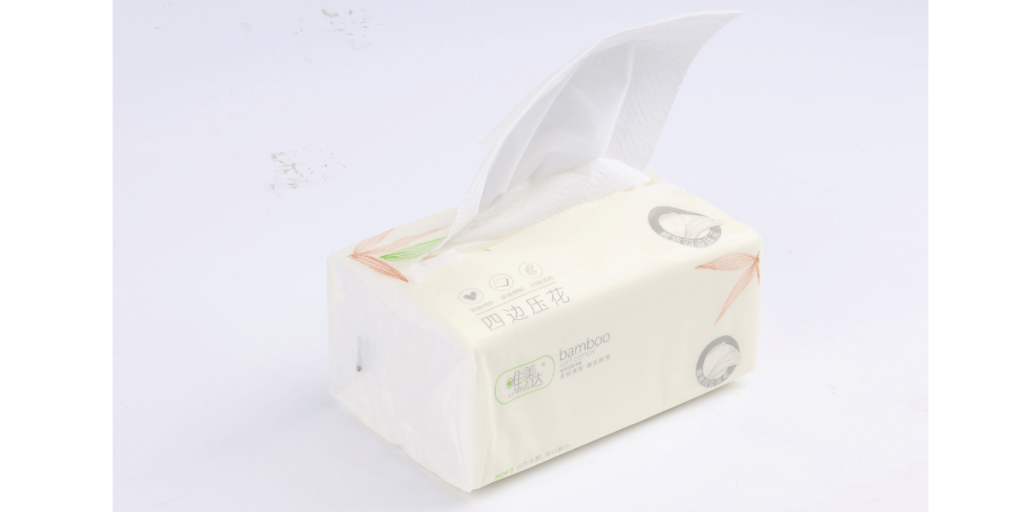
Interfolded designs that allow one sheet to be pulled at a time
Packaging also matters.
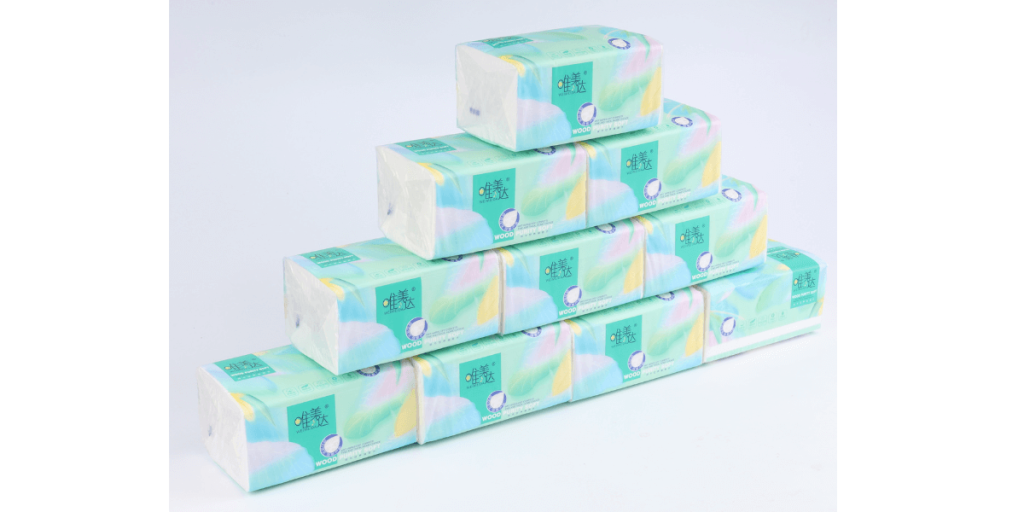
Box tissues are common for stationary use at home or in offices, while soft packs are designed for travel and portability.
3、Common Uses of Facial Tissue
Facial tissue is often associated with colds and allergies, but its uses extend far beyond that.
Typical applications include:
- Wiping the nose and face
- Removing makeup or skincare products
- Cleaning eyeglasses and screens
- Handling small spills on desks or tables
- Acting as a temporary napkin when needed
Its versatility explains why facial tissue remains one of the most frequently used paper products worldwide.
4、Facial Tissue vs Regular Tissue Paper
In many markets, the terms facial tissue and tissue paper are used interchangeably.
From a technical perspective, they often refer to the same product category.
However, in certain regions and premium segments, facial tissue may indicate:
- Higher softness standards
- Better fiber selection
- Improved strength and absorbency
This distinction is less about function and more about quality positioning.
For everyday users, comfort and reliability are usually the deciding factors.
5、Environmental Considerations Worth Knowing
Facial tissue is a single-use product, which naturally raises concerns about waste.
While used tissues are generally not recyclable due to contamination, responsible production still matters.
Key factors include:
- Sourcing pulp from sustainably managed forests
- Improving efficiency to reduce raw material consumption
- Offering biodegradable or alternative-fiber options where possible
At Hengchang Paper, we also produce facial tissue and related products while paying close attention to material selection and stable manufacturing practices.
Sustainability is approached as a long-term process rather than a marketing claim.
6、A Practical Perspective for Brands and Buyers
For consumers, choosing facial tissue often comes down to comfort and skin friendliness.
For brands and retailers, consistency and production control become equally important.
Understanding how facial tissue is made helps explain why product quality can vary, even within similar price ranges.
This is also why many brands choose OEM solutions to better manage specifications, packaging, and positioning.
7、Conclusion
Facial tissue is a simple product with a surprisingly complex background.
Its materials, structure, and production choices directly affect comfort, hygiene, and everyday usability.
By understanding these details, users can make better choices, and brands can create products that truly meet real-world needs.
8、Facial Tissue FAQ
What is a facial tissue
A facial tissue is a soft, disposable paper sheet used for personal hygiene, such as wiping the nose, face, or hands. It is designed to be gentle on skin while absorbing moisture effectively.
What is the difference between facial tissue and regular tissue paper
Facial tissue is specifically made for facial use, offering greater softness and comfort. Regular tissue paper may be firmer and intended for more general cleaning purposes.
What are facial tissues commonly used for
Facial tissues are used for wiping the nose, removing makeup, cleaning glasses, and handling small spills. Their softness makes them suitable for direct skin contact.
Can you flush facial tissues down the toilet
No. Facial tissues are designed to absorb liquid rather than dissolve, which can cause blockages. Only toilet paper should be flushed.
What is another name for facial tissue
Facial tissues are often called tissues. In some regions, especially in the United States and Canada, they are commonly referred to as Kleenex.
What should you look for in a good facial tissue
A good facial tissue combines softness, absorbency, and sufficient wet strength. Skin-friendly materials and consistent quality are key factors.