contents
A lot of people only start thinking about tissue waste at a very ordinary moment —
you finish using a facial tissue, you stand in front of the trash, recycling, and compost bins, and you suddenly are not sure where it should go.
Here is the simple truth.
- Most facial tissues are biodegradable, because they are made from plant fibers
- Most facial tissues are not recyclable, because the fibers are short and tissues are often contaminated after use
- Some facial tissues are compostable, but only under the right conditions
If you want to reduce your impact without making life complicated, it helps to know what is inside the tissue, and what happens after you throw it away.
1、Are facial tissues biodegradable
In most cases, are facial tissues biodegradable — yes.
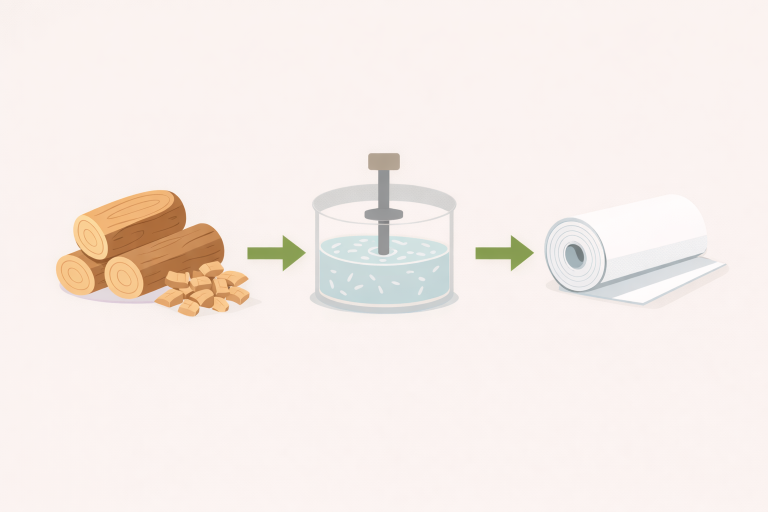
A typical biodegradable facial tissue is made from wood pulp, bamboo pulp, or recycled fiber. Those fibers can break down through microbial action, especially when moisture and oxygen are available.
What changes the story is not the fiber itself, but what is added to the tissue, and how the tissue is disposed of.
Factors that affect how a biodegradable facial tissue breaks down include
- Thickness and ply count — thicker tissues usually take longer
- Wet strength treatments — tissues designed to stay strong when wet break down more slowly
- Lotions and softeners — they can delay decomposition
- Fragrance, dyes, and coatings — they may reduce compost compatibility
- Where the tissue ends up — compost breaks down faster than a low-oxygen landfill
Biodegradable does not mean instant. It means the tissue can return to simpler organic compounds over time, under appropriate conditions.
2、Are facial tissues compostable
People often ask two versions of the same question.
- are facial tissues compostable
- is facial tissue compostable
The practical answer is
- Some facial tissues are compostable, if they are plain and free of problematic additives
- Many are not good compost candidates, because of lotions, dyes, wet strength chemistry, or contamination from use
A safe way to think about it is this.
Facial tissues are more likely compostable when
- They are unscented and uncolored
- They are lotion-free
- They are not marketed as extra strong when wet
- They were used for light, low-risk tasks, such as wiping water or a clean spill
Facial tissues are less suitable for compost when
- They contain lotion, fragrance, or dye
- They hold their shape strongly in water, which often signals wet strength treatment
- They were used with cleaning chemicals, solvents, or heavy soap residue
- They are heavily soiled with grease, makeup, or chemical residue
A lot of households compost plain paper products, but rules vary by city and program. If you are using municipal compost collection, always follow local guidance.
3、Why facial tissues are not recyclable
This part surprises people, because tissues look like paper.
In most recycling systems, facial tissues are not accepted because
- The fibers are too short — tissues are made soft by using shorter fibers that are near the end of the paper lifecycle
- Used tissues are contaminated — bodily fluids and oils make them unsuitable for paper recycling streams
A useful rule is
- Recycle the tissue box, if it is clean cardboard
- Do not recycle the tissue itself, even if it looks clean
4、What affects decomposition time
Even when tissues are biodegradable, the breakdown time can vary a lot.
Under active compost conditions, plain tissues may break down in weeks. In landfills, where oxygen is limited, decomposition can take much longer.
These factors matter the most
- Ply and embossing density — tighter structures slow down water penetration
- Additives and wet strength chemistry — slower breakdown, sometimes significantly
- Moisture and oxygen — composting conditions speed things up
- Temperature — warm, active compost is faster than cold conditions
If you want a simple at-home check, you can do a quick water test.
- Place a sheet in water and stir gently
- If it breaks apart quickly into fibers, it is more likely to break down well
- If it stays strong and intact, it may not be a good compost candidate
This is not a certification test, but it is a practical signal.
5、How to choose eco friendly facial tissue
If you are shopping for eco friendly facial tissue, the goal is not perfection.
The goal is fewer additives, clearer sourcing, and easier end-of-life handling.
Here is what usually aligns with eco friendly facial tissues and environmentally friendly facial tissues.
Look for clearer fiber sourcing
- Plant fibers with transparent sourcing information
- Certifications or traceability claims that are specific, not vague
Prefer simpler formulations
- Unscented, dye-free, lotion-free
- Avoid heavy marketing around wet strength unless you truly need it
Choose packaging that creates less waste
- Minimal plastic
- Efficient pack sizes that reduce extra packaging per tissue
Match tissue type to real use
- A softer tissue for skin comfort is fine, but avoid unnecessary “coated” or “treated” features if sustainability is a priority
- If you want compost compatibility, prioritize plain formulations
These habits help you choose best eco friendly facial tissues without overthinking every purchase.
6、A simple disposal checklist
When you want fast decisions, use this checklist.
- Tissue box — recycle if clean
- Used facial tissue — trash in most cases
- Plain, lotion-free tissue used for low-risk tasks — may be compostable in home compost, depending on local rules
- Scented, dyed, lotion tissues — trash is usually the safer option
7、FAQ
Are facial tissues biodegradable
In most cases, yes. Plant-fiber tissues are typically biodegradable, but additives and disposal conditions affect how quickly they break down.
Are facial tissues compostable
Some are. Plain, unscented, lotion-free tissues used for low-risk tasks are more likely compostable. Additives and heavy contamination reduce compost suitability.
Is facial tissue compostable if it was used to blow your nose
It depends on your local compost rules and your comfort level with hygiene risk. Many people choose trash for used tissues. Follow municipal guidance if you use a city compost program.
What are the best eco friendly facial tissues
The best eco friendly facial tissues are usually those with transparent fiber sourcing, minimal additives, no fragrance or lotion, and packaging that reduces waste.
8、A practical note from Hengchang Paper
If you are building a tissue line, sustainability is easier to achieve when you define it in the product spec — fiber choice, additive limits, and packaging direction all matter. Hengchang Paper supports both TISSUE PAPER OEM and toilet paper OEM, and we often help brands translate eco positioning into concrete, production-stable options that stay consistent at scale.