contents
- 1、What Did People Use Before Toilet Paper
- 2、Natural Materials as Toilet Paper Alternatives
- 3、Water as an Alternative to Toilet Paper
- 4、Tools Used as Toilet Paper Alternatives
- 5、Farm and Household Toilet Paper Alternatives
- 6、When Paper Became Toilet Paper
- 7、Toilet Paper Alternatives Hygiene Environment Considerations
- 8、What History Teaches Buyers Today
- 9、Frequently Asked Questions About Toilet Paper Alternatives
- 10、FAQ — Common Questions About Toilet Paper Alternatives
Toilet paper feels like a modern necessity.
But for most of human history, it did not exist.
When people ask about a toilet paper alternative, they are often surprised to learn that humans have relied on many different solutions. These choices were shaped by environment, culture, technology, and daily life.
Understanding what did people use before toilet paper helps us see why toilet paper alternatives still matter today.
1、What Did People Use Before Toilet Paper
Before the invention of modern rolls, there was no single standard method.
People used what was available around them, and those materials varied widely.
Common toilet paper alternatives included
- natural materials
- water based cleaning
- tools made for wiping
- farm and household byproducts
These alternatives to toilet paper were practical at the time, even if they seem uncomfortable by today’s standards.
2、Natural Materials as Toilet Paper Alternatives
For most of history, nature provided the easiest toilet paper alternative.
In forests and grasslands, people used
- leaves
- grass
- hay
- straw
In damp or cold regions, toilet paper alternatives often included
- moss
- snow
- tundra plants
In very cold climates, animal fur or wool was sometimes used because it stayed soft and insulated the skin.
These toilet paper alternatives were easy to find, but hygiene depended heavily on cleanliness and personal habits.
3、Water as an Alternative to Toilet Paper
In many parts of the world, water has always been the main alternative to toilet paper.
This practice developed in
- the Middle East
- North Africa
- South Asia
Water based cleaning is still common today and is often considered more hygienic than dry wiping. It usually involves rinsing with water and cleaning by hand, followed by thorough hand washing.
When discussing toilet paper alternatives hygiene environment concerns, water is often mentioned as a method that reduces residue and skin irritation.
Modern bidets and smart toilets are an evolution of this long tradition.
4、Tools Used as Toilet Paper Alternatives
Some cultures developed specific tools instead of relying on plants or water alone.
Examples include
- ancient Chinese hygiene sticks wrapped with cloth
- Roman sponge on a stick, shared in communal latrines
- Greek smooth stones or pottery shards
These alternatives to toilet paper show early attempts to improve efficiency.
However, shared tools created hygiene risks, especially before people understood bacteria and infection.
This history explains why modern hygiene products emphasize single use, cleanliness, and safety.
5、Farm and Household Toilet Paper Alternatives
As agriculture spread, people began using everyday byproducts as toilet paper alternatives.
In rural North America, corn cobs were widely used. They were abundant, absorbent, and easy to handle.
Later, newspapers and catalogs became common alternatives for toilet paper. Printed paper was softer than many natural materials and widely available.
These materials worked, but they often caused plumbing problems and skin irritation. This limitation pushed the demand for better paper products.
6、When Paper Became Toilet Paper
Paper itself is not a modern invention, but using it for hygiene took time.
Historical records show that China was the first to use paper for this purpose. Early paper sheets were rough and mainly available to the elite.
In the West, toilet paper only became common after indoor plumbing spread. Plumbing systems required paper that could break down in water without blocking pipes.
This is where modern toilet paper separated itself from earlier toilet paper alternatives.
7、Toilet Paper Alternatives Hygiene Environment Considerations
Today, interest in toilet paper alternatives hygiene environment topics is growing again.
Consumers and buyers now evaluate
- skin comfort
- break down performance in water
- impact on plumbing systems
- environmental footprint
Some alternatives to toilet paper focus on reducing paper use.
Others focus on using recycled or renewable fibers.
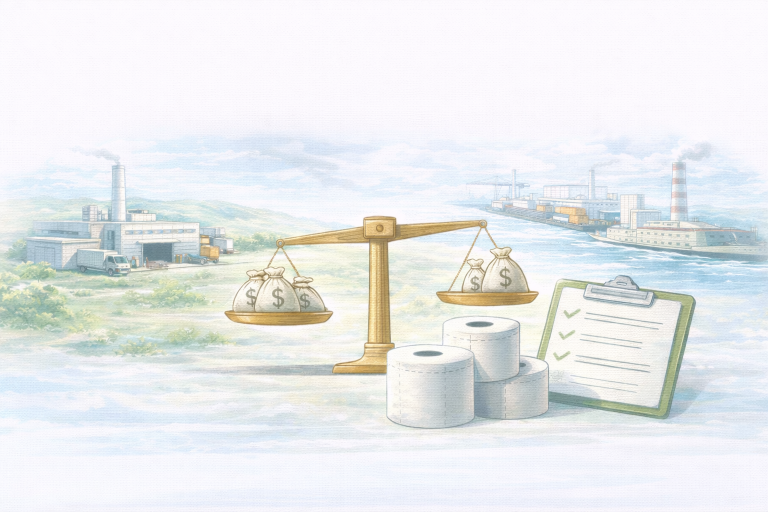
The lesson from history is simple. Any alternative to toilet paper must balance hygiene, comfort, and practicality.
8、What History Teaches Buyers Today
Looking at alternatives for toilet paper across history reveals one key truth.
There has never been a perfect solution, only solutions that fit a specific time and place.
Modern toilet paper exists because it solves multiple problems at once
- it is soft
- it is disposable
- it works with plumbing
- it offers consistent hygiene
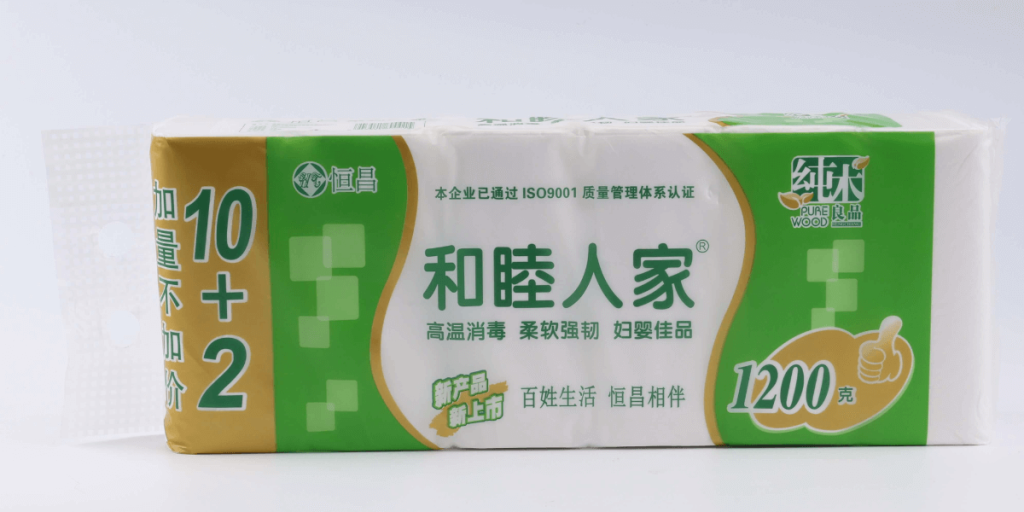
At HengChang Paper, our work focuses on refining these qualities through toilet paper OEM and tissue paper OEM services, helping brands meet modern hygiene expectations while adapting to different markets.
9、Frequently Asked Questions About Toilet Paper Alternatives
Are toilet paper alternatives really hygienic
Some are, depending on how they are used. Water based cleaning can be very hygienic. Natural materials require care and cleanliness.
Why did people stop using old toilet paper alternatives
Most alternatives to toilet paper were uncomfortable, inconsistent, or unsafe with modern plumbing.
Are people returning to toilet paper alternatives today
Interest is growing, especially around environmental concerns. However, most solutions still combine paper with improved materials or water based systems.
Understanding toilet paper alternatives is not just about the past.
It explains why modern toilet paper is designed the way it is, and why consistency, comfort, and hygiene still matter to buyers today.
10、FAQ — Common Questions About Toilet Paper Alternatives
What do Amish use for toilet paper
Many Amish communities traditionally use simple toilet paper alternatives based on availability and values.
Common options include crumpled newspapers, soft leaves, corn cobs, or reusable cloth rags.
Practices vary by community.
Some Amish groups now use manufactured toilet paper, especially where indoor plumbing is common.
Do some cultures not wipe after using the toilet
Yes. In many cultures, water is used instead of toilet paper for personal cleaning.
This practice is common in parts of North Africa, South Asia, and the Middle East.
Water based cleaning is often combined with hand washing and is closely linked to cultural and religious hygiene traditions.
Are toilet paper alternatives hygienic
Hygiene depends on how toilet paper alternatives are used.
Water based cleaning can be very hygienic with proper hand washing.
Natural materials require care to avoid irritation or contamination.
Shared tools or reusable implements may increase hygiene risks compared to single use products.
Why did modern toilet paper replace most alternatives
Modern toilet paper replaced many alternatives because it offers consistent comfort, easy disposal, and compatibility with indoor plumbing.
Single use paper also improves hygiene control and reduces cross contamination.
Convenience and sanitation were key reasons for its widespread adoption.