🌿 Have you ever paused at the cleaning aisle, torn between tissue and paper towels, wondering which choice is kinder to our planet? You’re not alone. The battle between these everyday cleaning essentials has left many eco-conscious consumers scratching their heads.
The problem? Our daily cleaning habits could be silently contributing to environmental degradation. Paper products, while convenient, often come at a high cost to our forests and landfills. But what’s the alternative? Is reaching for a reusable cloth always the better choice? Let’s unravel this common household dilemma and explore the sustainability showdown between tissue and paper towels.
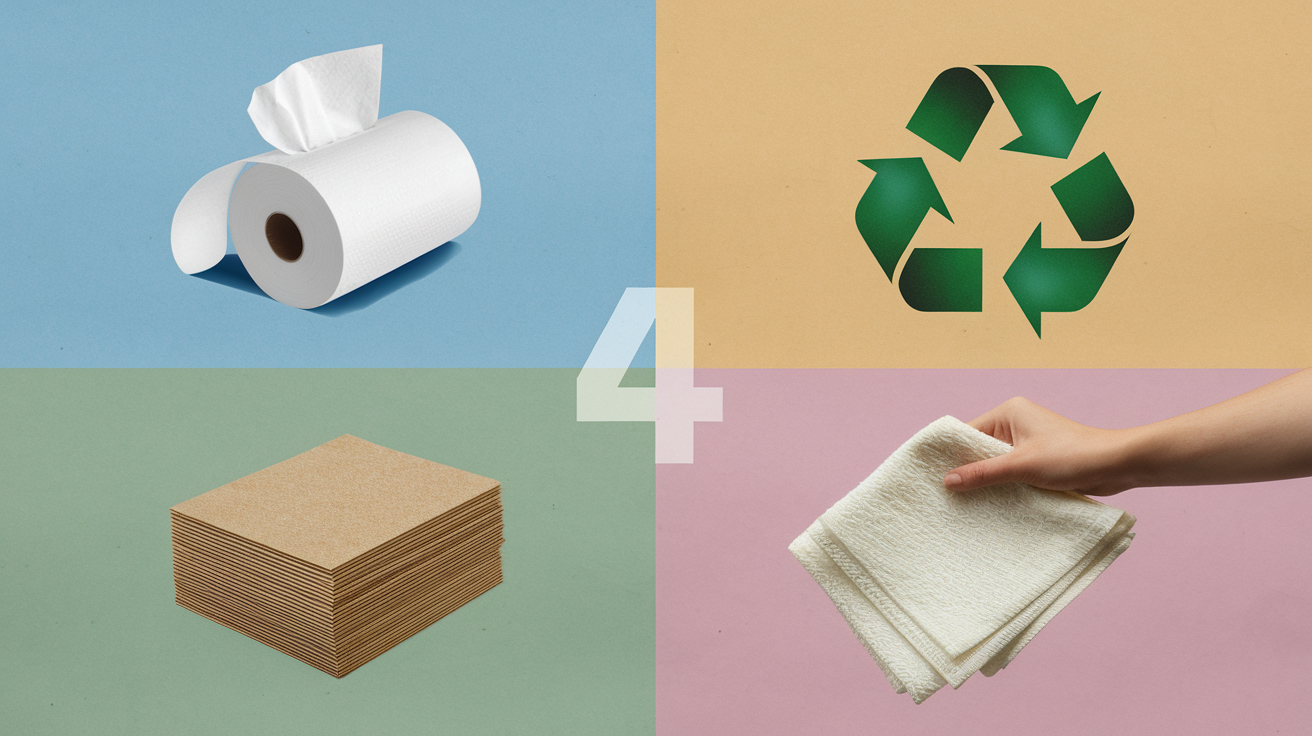
In this blog post, we’ll dive into four key perspectives on this issue, examine the pros and cons of paper towels, discuss the impact of machine washing reusable alternatives, and ultimately empower you to make an informed decision. By the end, you’ll have the knowledge to choose the most sustainable option for your home and lifestyle. 🏡💚
4 Answers
Environmental Impact
The environmental impact of tissue and paper towels varies significantly. Let’s compare their sustainability:
| Factor | Tissue | Paper Towels |
|---|---|---|
| Resource Use | Lower wood pulp consumption | Higher wood pulp consumption |
| Water Usage | Less water in production | More water in production |
| Energy Consumption | Lower energy requirements | Higher energy requirements |
| Biodegradability | Faster decomposition | Slower decomposition |
Production Process
The production process for both products involves similar steps:
- Wood pulping
- Bleaching
- Sheet formation
- Drying
- Packaging
However, paper towels require more intensive processing, leading to higher resource consumption.
Disposal Considerations
Proper disposal is crucial for minimizing environmental impact:
- Tissue: Generally flushable, but can strain sewage systems if overused
- Paper towels: Not flushable, should be disposed of in regular trash or composted when possible
Recycling Potential
Recycling plays a role in sustainability:
- Tissue: Often made from recycled paper, but not recyclable after use
- Paper towels: Can be made from recycled materials, but typically not recyclable post-use due to contamination
Now that we’ve examined the environmental aspects, let’s explore the specific characteristics of paper towels in more detail.
Paper Towel
Environmental Impact
Paper towels have a significant environmental footprint due to their single-use nature and production process. Here’s a breakdown of their impact:
- Deforestation: Trees are cut down to produce paper pulp
- Water usage: Large amounts of water are needed in manufacturing
- Energy consumption: Production and transportation require substantial energy
- Waste generation: Used paper towels contribute to landfill waste
Comparison with Alternatives
| Aspect | Paper Towels | Reusable Cloths |
|---|---|---|
| Durability | Single-use | Multiple uses |
| Cost | Recurring expense | One-time investment |
| Waste | Generates trash | Minimal waste |
| Convenience | Ready to use | Requires washing |
Production Process
The paper towel manufacturing process involves several steps:
- Pulping: Wood chips are converted into pulp
- Bleaching: Pulp is whitened using chemicals
- Sheet formation: Pulp is pressed into sheets
- Embossing: Patterns are added for absorbency
- Cutting and packaging: Sheets are cut and rolled
Sustainable Alternatives
To reduce environmental impact, consider these alternatives:
- Microfiber cloths: Reusable and highly absorbent
- Bamboo towels: More sustainable than traditional paper towels
- Cotton rags: Repurpose old clothes for cleaning
- Sponges: Effective for wiping and can be washed
Now that we’ve examined paper towels, let’s explore machine washing as another option for cleaning and sustainability.
Machine Wash
Machine Wash: A Sustainable Alternative
Benefits of Machine Washing
Machine washing reusable cloths offers several advantages over disposable options:
- Cost-effective in the long run
- Reduces waste production
- Customizable cleaning solutions
- Versatile for various cleaning tasks
Environmental Impact Comparison
| Factor | Machine Wash | Paper Towels |
|---|---|---|
| Water Usage | Moderate | High (production) |
| Energy Consumption | Varies | High (manufacturing) |
| Waste Generation | Minimal | Significant |
| Lifespan | Extended | Single-use |
Best Practices for Sustainable Machine Washing
- Use cold water when possible
- Select eco-friendly detergents
- Wash full loads to maximize efficiency
- Air dry cloths to save energy
Types of Reusable Cloths
- Microfiber cloths
- Cotton rags
- Bamboo towels
- Upcycled t-shirts
By adopting machine-washable alternatives, households can significantly reduce their reliance on single-use paper products. This shift not only saves money but also contributes to a more sustainable lifestyle. While the initial investment in reusable cloths may be higher, the long-term benefits to both the environment and your wallet are substantial.
Now that we’ve explored the advantages of machine washing, let’s delve into a broader discussion about the environmental impact of various cleaning methods.
Discussion
Environmental Impact
When discussing the sustainability of tissue versus paper towels, it’s crucial to consider their environmental impact. Both products contribute to deforestation and water pollution, but to varying degrees. Let’s compare their ecological footprints:
| Factor | Tissue | Paper Towels |
|---|---|---|
| Trees used | Less | More |
| Water consumption | Lower | Higher |
| Energy for production | Lower | Higher |
| Biodegradability | Faster | Slower |
Paper towels generally have a larger environmental impact due to their higher resource consumption and slower decomposition rate.
Recycling and Disposal
The recycling and disposal processes for these products differ significantly:
-
Tissue:
- Often made from recycled paper
- Cannot be recycled after use
- Biodegrades quickly in landfills
-
Paper Towels:
- Rarely made from recycled materials
- Cannot be recycled after use
- Take longer to biodegrade
Economic Considerations
While environmental factors are crucial, economic aspects also play a role in sustainability:
- Production costs
- Consumer prices
- Long-term resource availability
Tissue paper manufacturers generally have lower production costs, which can lead to more sustainable business practices in the long run. However, the toilet paper factory industry faces challenges in sourcing sustainable raw materials.
Now that we’ve examined the environmental and economic factors, let’s explore some alternatives that could be more sustainable than both tissue and paper towels.
Your Answer

Not the answer you’re looking for? Browse other questions tagged homepapercleaningfabric or ask your own question.
The choice between tissue and paper towels is more complex than it may seem at first glance. While paper towels are often considered more convenient, they contribute significantly to waste and deforestation. On the other hand, reusable cloth towels, though requiring water and energy for washing, offer a more sustainable long-term solution.
Ultimately, the most environmentally friendly option is to reduce overall consumption and opt for reusable alternatives whenever possible. By making conscious choices in our daily cleaning habits, we can contribute to a more sustainable future and minimize our environmental impact. Consider switching to cloth towels for most cleaning tasks, reserving paper products for specific situations where hygiene is paramount.